

Choosing a Gangnam English speaking wellness clinic
Finding a clinic for a wellness consultation involves more than choosing a convenient location. It also means considering the type of care you need and whether you can communicate comfortably about your health. onesclinic offers care in internal medicine and family medicine, fields that address general health concerns across different stages of life. If you are looking for an English-language consultation, ask about language arrangements when arranging your visit. A clear conversation can help you explain your concerns and understand the medical staff’s recommendations.
Understanding internal medicine and family medicine
Internal medicine focuses on the health of adults, including the assessment and management of a broad range of medical concerns. Family medicine takes a generalist approach to health care and can address concerns across different stages of life. Both fields offer a useful starting point when you want to discuss symptoms, existing conditions, or questions about maintaining your health. The appropriate next step depends on your medical history, your current concerns, and the attending doctor’s assessment.
A wellness visit does not have to begin with a specific diagnosis in mind. You might want to discuss a change you have noticed, review an ongoing health concern, or ask how your personal history affects your health. Describe what matters most to you at the beginning of the consultation, especially if you have more than one question. This gives the medical staff context for the discussion and helps you understand which concerns need attention first. A consultation can also help clarify whether further assessment is appropriate. The discussion and any recommendations should be tailored to your circumstances rather than treated as a standard plan for everyone.
Internal medicine and family medicine provide a starting point for discussing general health concerns. The most useful consultation begins with a clear account of your history and what you want to address.
Plan for a clear conversation
Language can make a difference when describing symptoms or discussing medical decisions. Before booking, tell the clinic that you would like to communicate in English and ask how the consultation can be arranged. During your visit, use straightforward descriptions of what you have noticed rather than trying to find a medical term. You can also ask the medical staff to explain unfamiliar language or write down important instructions. Understanding the plan is as important as discussing the concern.
It can help to organize your thoughts before the appointment. Note when a symptom began, whether it has changed, and what seems to make it better or worse. If you have an ongoing condition, bring the information you already have about it, including relevant records and a current medication list. Explain which question is most important to you, then ask for clarification whenever a recommendation is unclear. At the end of the discussion, consider repeating the main points in your own words: what the concern is, what the suggested next step involves, and whether follow-up is needed. This is a practical way to check that you and the medical staff understand each other.
Deciding whether a wellness visit fits your needs
A general consultation may be useful when you have a nonurgent health question or want to discuss an existing condition. It can also provide an opportunity to ask about preventive care in the context of your personal and family history. Rather than assuming that every wellness visit includes the same assessments, explain your goals and ask which options are relevant to you. The attending doctor can help determine what should be discussed or assessed based on your circumstances.
Some symptoms should not wait for a routine appointment. Severe chest pain, serious difficulty breathing, sudden weakness, or other signs of a medical emergency require urgent attention. If you think you are experiencing an emergency, contact local emergency services or seek emergency care immediately. For concerns that are not urgent, a consultation offers time to describe the issue and ask what should happen next. When uncertain about urgency, seek medical advice promptly rather than relying on a wellness article to make that decision.
Before you book, think about what you want from the visit. You may be looking for an explanation of symptoms, a discussion of general health, or guidance on an existing condition. Being specific helps you ask useful questions about the consultation. If you have a preferred language, raise it at the same time so you can make an informed decision about your appointment. The goal is a visit in which you can explain your concerns and understand the advice you receive.

Preparing for a Gangnam English speaking wellness clinic visit
Preparation can make a health consultation more productive, particularly when you need to explain a complex history or discuss several concerns. Start with a short list of questions and gather information about current medications, previous diagnoses, and relevant medical records. You do not need to interpret the information yourself; the purpose is to give the medical staff a clear picture of your health. Bring details that are accurate and useful, and ask for clarification whenever you need it.
Organize your medical history
Your medical history gives context to the concerns you raise during a visit. Write down any diagnoses you know about, important past health events, and relevant family history. If you take medication, include the name, strength, and how you use it, as well as any supplements. It is also useful to mention allergies or past reactions to medication. If you are unsure of a detail, say so rather than guessing; the medical staff can discuss what information is needed.
For a new symptom, describe when you first noticed it and whether it has remained the same, improved, or become more noticeable. Explain how it affects your routine and whether anything appears to trigger or relieve it. If you have records from previous care, bring the documents you have rather than relying only on memory. You can also make a brief note of questions that arose after a previous appointment. The attending doctor may need to ask additional questions before suggesting a course of action. A concise, accurate account is more useful than trying to diagnose yourself in advance.
A little preparation helps the medical staff understand both your current concern and its context. Bring the information you have, and be open about anything you are unsure of.
Make a practical question list
A written list can keep the conversation focused, especially if you are discussing health in a language that is not your first language. Start with your main concern, then add questions about anything you do not understand. You might ask what could explain a symptom, whether further assessment is appropriate, or what changes would warrant prompt attention. If the attending doctor recommends a next step, ask what it involves and what you should expect.
It is reasonable to ask why a recommendation is relevant to you and whether there are alternatives to consider. If an assessment or treatment is discussed, ask about its purpose, potential benefits, and relevant risks. You can also ask whether preparation is needed and how any results would be explained. Not every question will apply to every visit, so use the list as a guide rather than a fixed script. Before leaving, make sure you understand any instructions and know what to do if your symptoms change. If you would find written information helpful, ask the medical staff whether it can be provided.
Bring information you can use
Choose documents that are relevant to your reason for visiting. A medication list, an existing diagnosis, or a previous test result may help the medical staff understand your history. If you have multiple records, note which ones relate directly to your current concern. You can bring a written summary in addition to the documents themselves. Avoid changing or stopping prescribed medication solely to prepare for a routine visit unless your own medical professional has advised you to do so.
Think about the details you want to share as well as the questions you want answered. For example, changes in sleep, appetite, activity, or daily function may provide context when they relate to your concern. Be honest about what you have noticed and what you have not. Medical staff can help determine which details matter. A record does not need to be elaborate: a short, readable note can be enough to support a clear discussion.
| What to prepare | How it helps the discussion |
|---|---|
| List of concerns and questions | Identifies what you want to address during the visit. |
| Medication and supplement list | Shows what you currently use and how you use it. |
| Relevant medical records | Provides context about previous care or results. |
| Symptom notes | Helps explain timing, changes, and effects on daily life. |
Preparation should support the consultation, not make it feel like an examination you have to pass. If you cannot find an old record or remember a date, share what you do know. The medical staff can ask follow-up questions and discuss whether additional information is useful. If you have access needs or prefer to communicate in English, raise those needs when arranging the appointment. That gives you an opportunity to understand how the visit can be organized before you arrive.
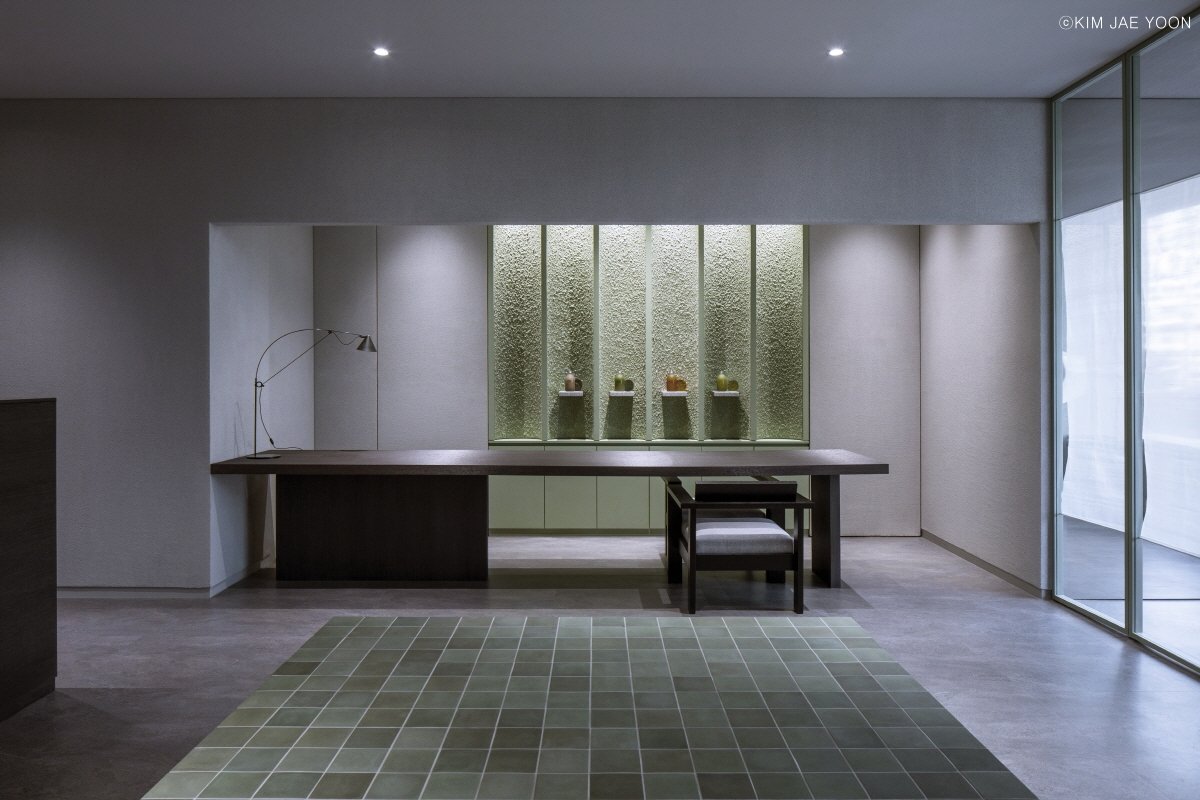
Discussing care at a Gangnam English speaking wellness clinic
A wellness consultation is most useful when it connects general health advice to your individual circumstances. At onesclinic, the discussion takes place within the fields of internal medicine and family medicine. You can describe your concerns and ask the medical staff how to approach them. Recommendations depend on the clinical assessment; a test, treatment, or follow-up schedule should not be assumed in advance. Focus on understanding the reason for each suggested step and how it relates to your health goals.
Talk about prevention and ongoing health
Preventive care is a conversation about health risks and what may be appropriate for you. Your age, medical history, family history, and current concerns can all be relevant to that discussion. Ask the attending doctor which preventive measures or assessments are worth considering in your case. You can also discuss everyday factors such as activity, sleep, nutrition, and tobacco or alcohol use where relevant. The aim is to identify practical priorities rather than follow a generic checklist.
If you are managing an ongoing condition, explain how you have been feeling and whether anything has changed since your last assessment. Mention any difficulty following an existing care plan, including concerns about medication or instructions you did not understand. The medical staff can discuss those concerns with you and consider the next step. A useful plan should be clear enough for you to understand what you are expected to do. Ask what changes in your health should prompt another conversation and whether follow-up is appropriate. If a recommendation does not fit your circumstances, say so; that information can help the attending doctor discuss a workable approach with you.
Prevention and ongoing care are most meaningful when they reflect your history and current concerns. Ask why a recommendation matters for you and what action, if any, is needed next.
Points to consider before treatment
If treatment is recommended, take time to understand its purpose and how it relates to your diagnosis or symptoms. Ask about the expected benefits, relevant risks, and any alternatives that may be suitable. Your medical history and current medications can affect these decisions, so share them with the attending doctor. Depending on the individual condition and approach, changes may take time. A clear discussion helps you make decisions with an understanding of what the proposed care involves.
There is no single treatment plan that suits every concern. The attending doctor may recommend an assessment before discussing options, or suggest follow-up based on what emerges during the consultation. If you are concerned about a recommendation, explain why and ask for clarification. You can ask what might happen if you wait, what signs should prompt you to seek care sooner, and how progress would be assessed. For any medication discussed, make sure you understand how to use it and what to do if a problem arises. Do not hesitate to ask the medical staff to explain a point again or use simpler language. The goal is a shared understanding, not a rushed decision.
Know what to ask before leaving
At the end of the visit, review the key points with the medical staff. Ask what the main concern is, whether any further action is recommended, and whether follow-up is needed. If instructions have been given, check that you understand when and how to follow them. You can also ask how to raise a question after the appointment. Writing down the answers may help you remember details once you return to your usual routine.
If the discussion includes an assessment or treatment, ask about the relevant fees before proceeding. Costs depend on the care involved and your individual circumstances. You can also ask about any preparation or scheduling requirements that apply to the proposed next step. When English communication is important to you, discuss your language needs before the visit rather than assuming a particular arrangement. These practical questions help you plan without making assumptions about the care you will receive.
Finally, keep a copy of your own notes and any instructions you receive. If a new concern develops, record what changed and when, so you can explain it clearly to a medical professional. For urgent or severe symptoms, seek immediate care rather than waiting for a routine follow-up. A wellness visit is one part of an ongoing approach to health: clear communication, accurate information, and an understanding of your next steps make it more useful.

Frequently Asked Questions
Q.What kind of care does onesclinic offer?
A.onesclinic provides care in internal medicine and family medicine.
Q.Who might consider a visit to onesclinic?
A.A visit may be useful if you want to discuss a nonurgent health concern, an existing condition, or a question about general health with medical staff.
Q.What can I discuss during a consultation?
A.You can discuss your symptoms, medical history, and health concerns in the context of internal medicine or family medicine. The attending doctor can discuss appropriate next steps based on your circumstances.
Q.What should I prepare before visiting?
A.Bring a list of your concerns, current medications, and relevant medical records if you have them. Note any questions you want to ask during the consultation.
Q.Where is onesclinic, and how can I contact the clinic?
A.onesclinic is at 308 Apgujeong-ro, Gangnam-gu, Seoul. You can call 02-516-1226 to ask about booking and English-language consultation arrangements.
Clinic Information
| Clinic | onesclinic |
|---|---|
| Specialty | Internal Medicine,Family Medicine |
| Address | 서울특별시 강남구 압구정로 308 |
| Phone | 025161226 |
| Website | https://www.onesclinic.co.kr/ |
| Specialist | Specialist care |
 whatsapp